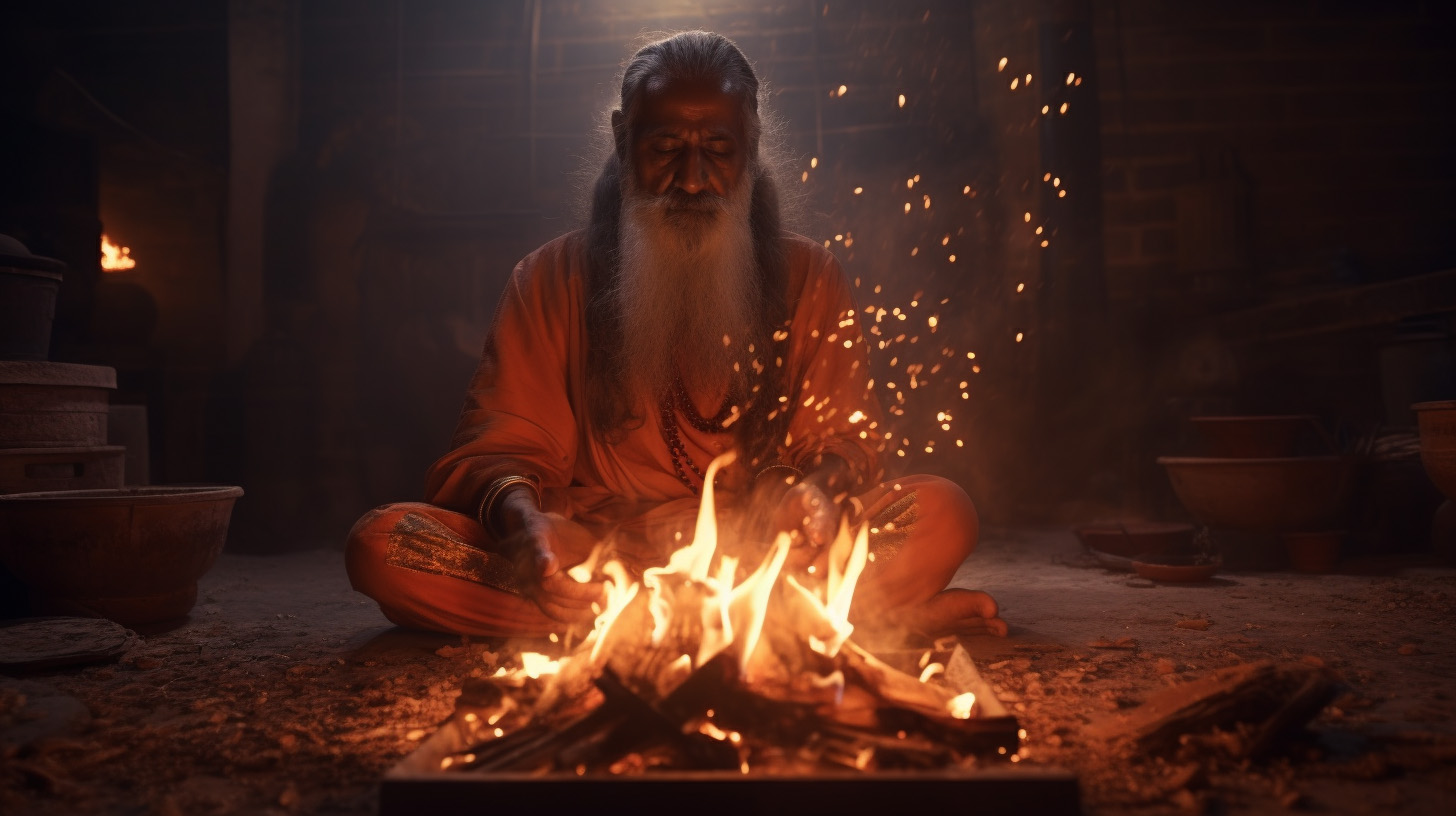
Japas and shanti homas for Jyotish related doshas
Japas for Jyotish Doshas: Japas involve repetitive recitation of specific mantras to mitigate adverse planetary influences in Vedic astrology (Jyotish), seeking balance and positive energies.
Shanti Homas for Jyotish Doshas: Shanti Homas are fire rituals where Vedic hymns and offerings are dedicated to pacify malefic planetary effects, aiming to bring harmony, blessings, and resolution to astrological imbalances.
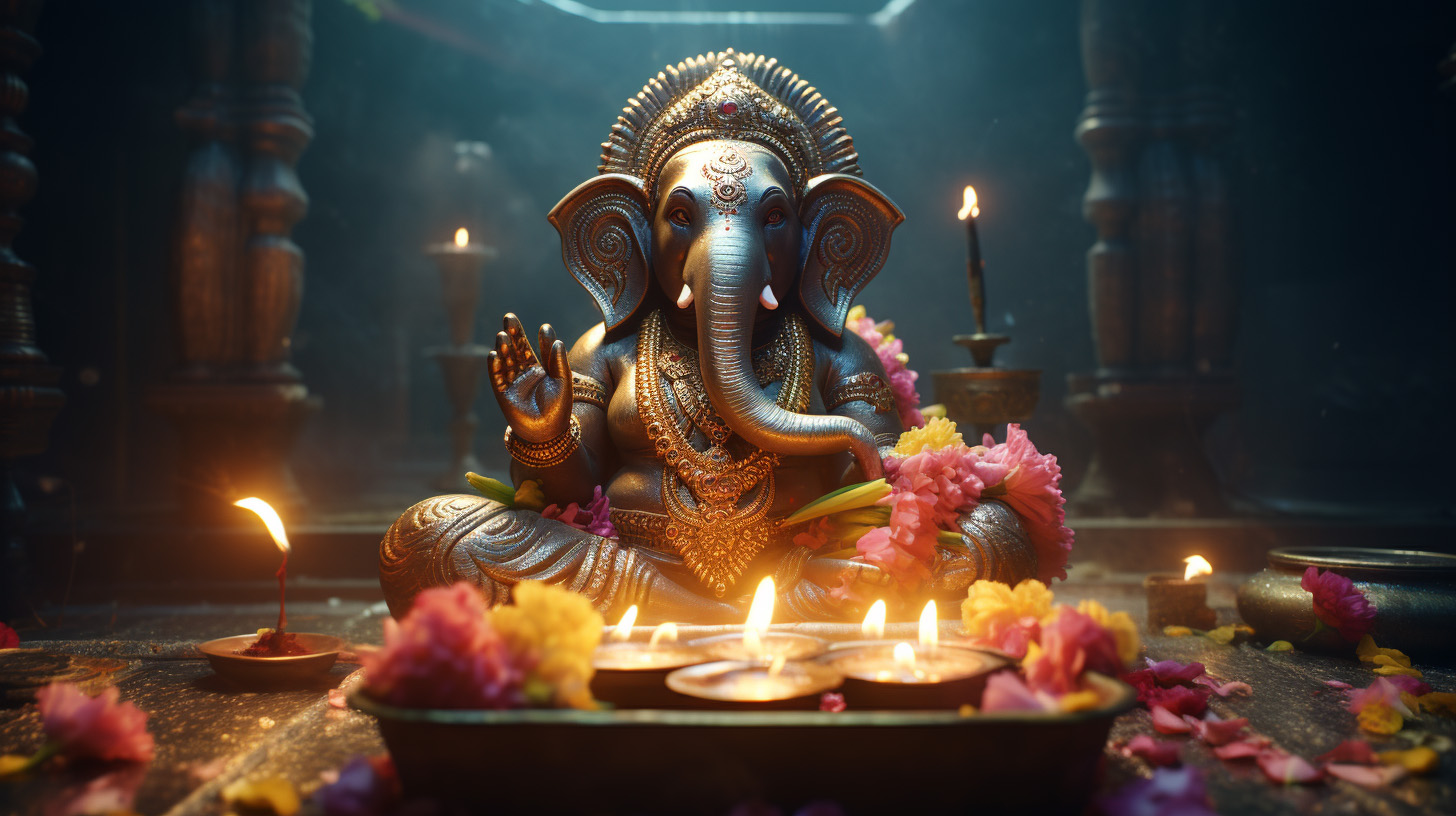
Ganapati Prashna
This ritual involves invoking Lord Ganesha, the remover of obstacles, through prayers and offerings. It seeks guidance and blessings for resolving doubts or uncertainties by posing specific questions. Through this pooja, devotees aim to gain clarity, wisdom, and divine assistance in making important decisions or seeking solutions to challenges.
Swaratatva Prashna
This ritual involves seeking insights and guidance from the divine through the medium of one’s own voice. Devotees ask questions aloud, listen to the tone and pitch of their voice, and interpret the subtle variations as answers from the cosmos. It’s a unique way to tap into inner intuition and connect with spiritual energies for clarity and guidance.
Sankhya yantra Prashna
This practice involves using a numerical diagram (Sankhya Yantra) to seek answers to specific questions. Devotees focus on numbers, patterns, and arrangements within the diagram, interpreting them as divine responses. It’s a method of divination that harnesses symbolism and mathematics to gain insights and guidance from the spiritual realm.

Deepa Prashna
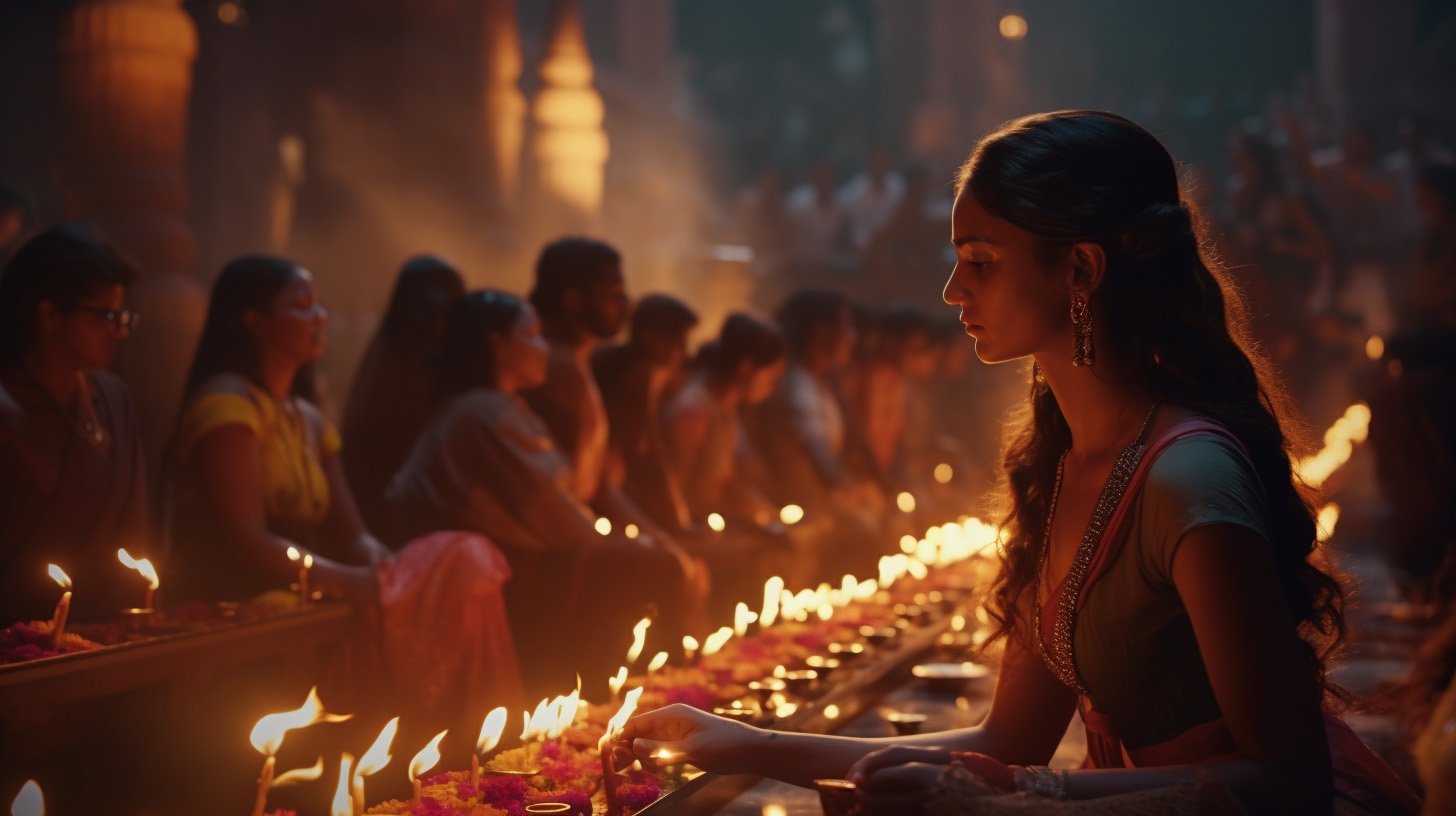
Deepa Prashna is a divination method in Hinduism where a question is posed to a lamp or light source, often accompanied by a specific prayer or mantra. The flickering or behavior of the flame is interpreted as a response from the divine. This practice is used to seek guidance, clarity, or answers to important matters, relying on the symbolic language of light to convey messages from the spiritual realm.
Tamboola Prashna
Tamboola Prashna is a traditional divination practice in Hindu culture where a question is posed using betel leaves and areca nuts (known as “tamboola” or “paan”). The arrangement and condition of the betel leaves and areca nuts, as well as their taste and texture, are interpreted by a priest or practitioner to provide insights and answers to the question. This method blends symbolism, intuition, and cultural traditions to seek guidance or solutions from the divine.
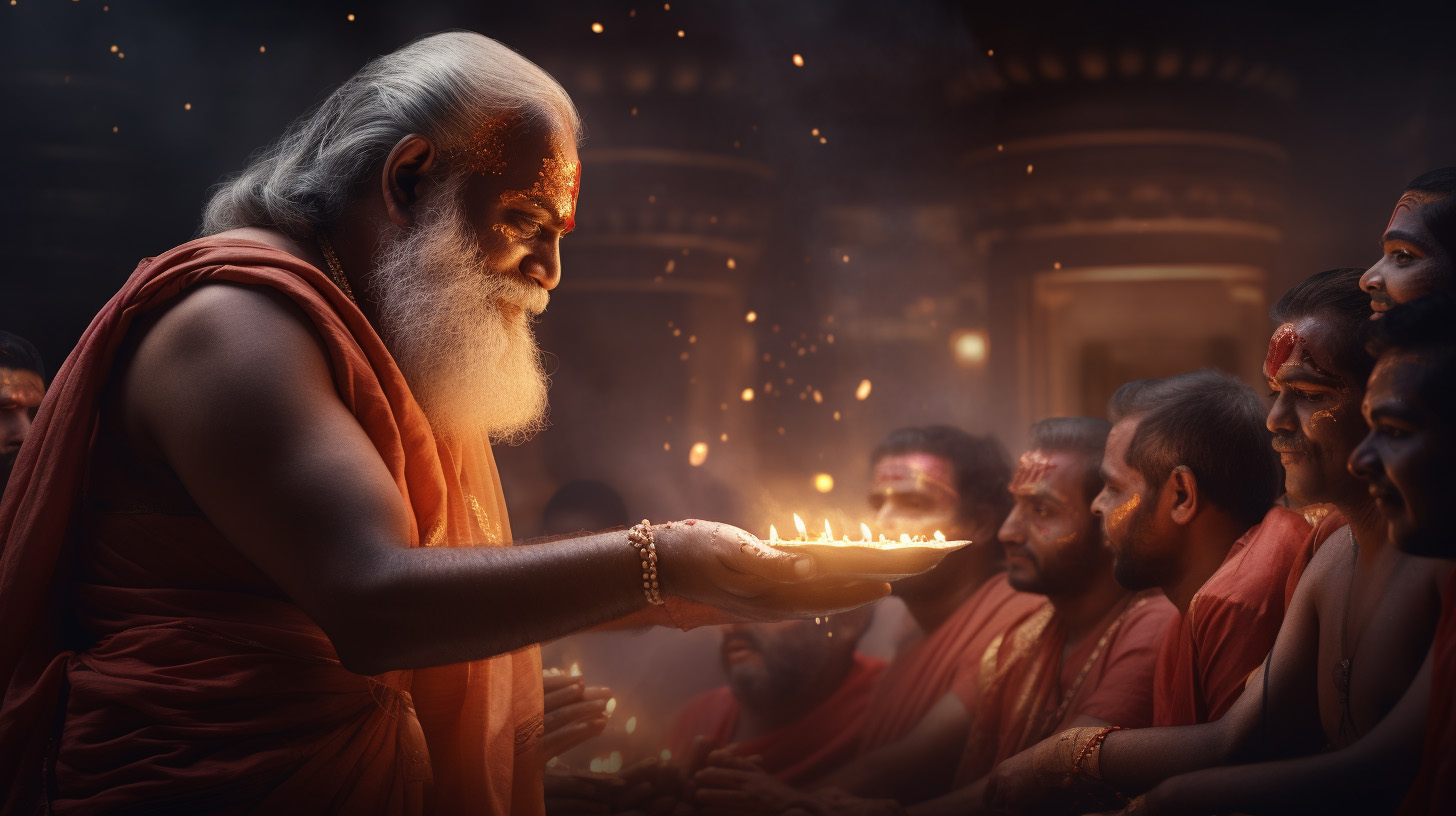

Astrology
A traditional system rooted in ancient Indian texts, it interprets the positions of celestial bodies at the time of birth to provide insights into a person’s life, including personality traits, relationships, and major life events. It encompasses the Navagrahas (nine celestial bodies), zodiac signs, houses, dasha periods, and often offers remedies for mitigating negative influences. While respected by many, it remains a subject of both belief and skepticism.
Ramala jyotisham
An ancient divination practice utilizing symbols arranged on a chart to provide answers and insights. Combines elements of astrology, numerology, and symbolism to guide decision-making and offer clarity on various aspects of life. Practitioners pose questions, interpret symbol patterns, and derive guidance from the arrangement. While culturally significant, its accuracy is debated among believers and skeptics.

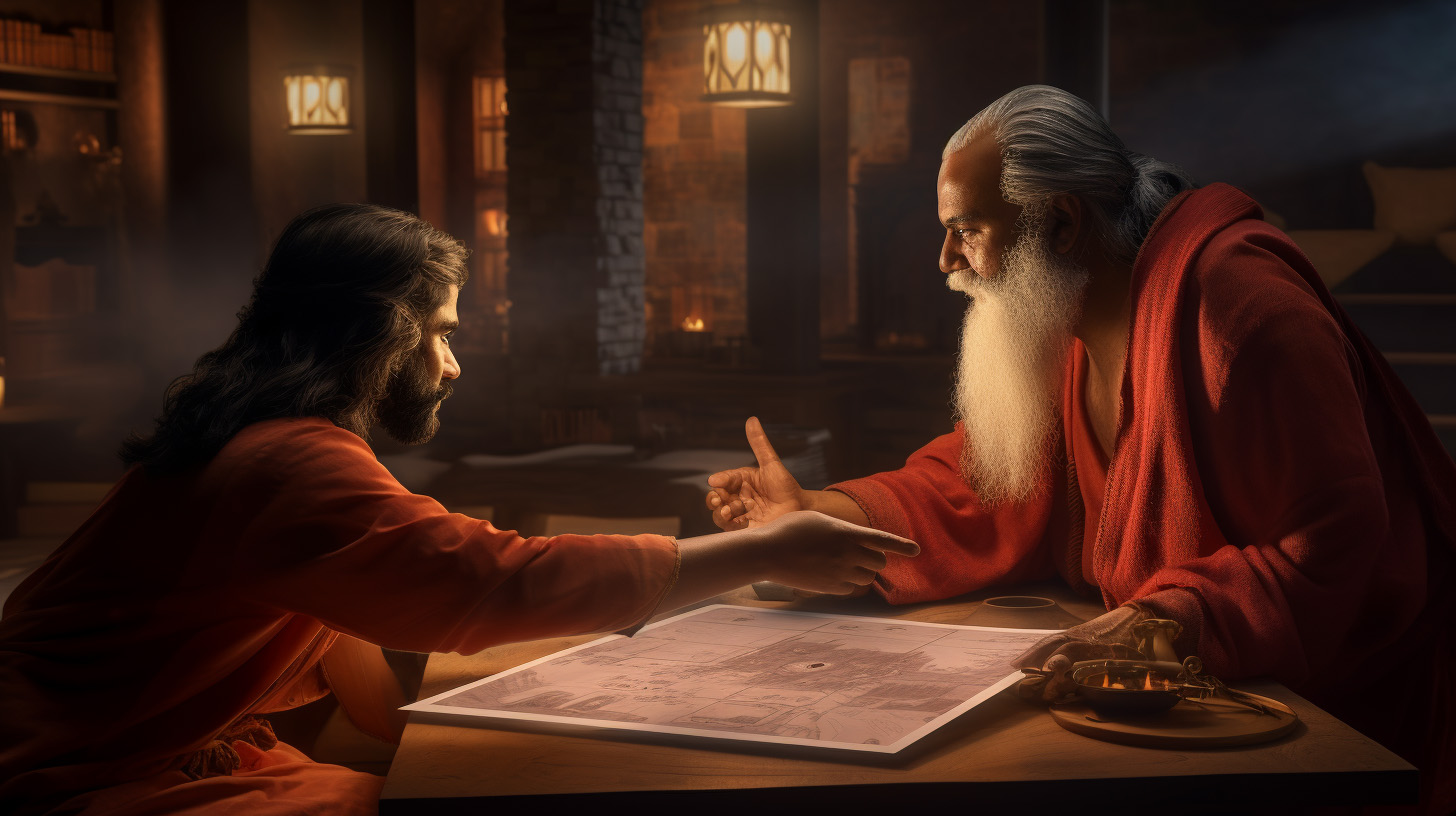
Vastu
Vastu Shastra is an ancient Indian architectural and design system aiming to harmonize living spaces with natural forces. Remedies involve adjusting the environment to enhance positive energies and minimize negative influences, such as rearranging furniture, using specific colors, or incorporating sacred symbols. These practices seek to create balance, well-being, and prosperity in homes and buildings based on Vastu principles.