
Mantra Tantra Mudra Swara Tatva Yoga Sadhana
Tantra Yoga Saadhana is a spiritual practice rooted in the ancient Tantric tradition of Hinduism. It encompasses a diverse range of practices, rituals, and meditations aimed at self-realization, liberation, and union with the divine. Tantra Yoga emphasizes harnessing the energy of the body and mind to attain spiritual transformation. Practitioners delve into mantra chanting, visualizations, and rituals using yantras (mystical diagrams) and mudras (hand gestures). The Saadhana involves awakening the Kundalini energy, directing it through the chakras, and transcending duality to experience non-dual consciousness. While Tantra Yoga is often misunderstood as purely indulging in sensual practices, authentic Tantra Saadhana seeks higher states of consciousness, divine unity, and spiritual evolution. It requires disciplined guidance from a qualified teacher and a sincere dedication to inner growth and self-discovery.
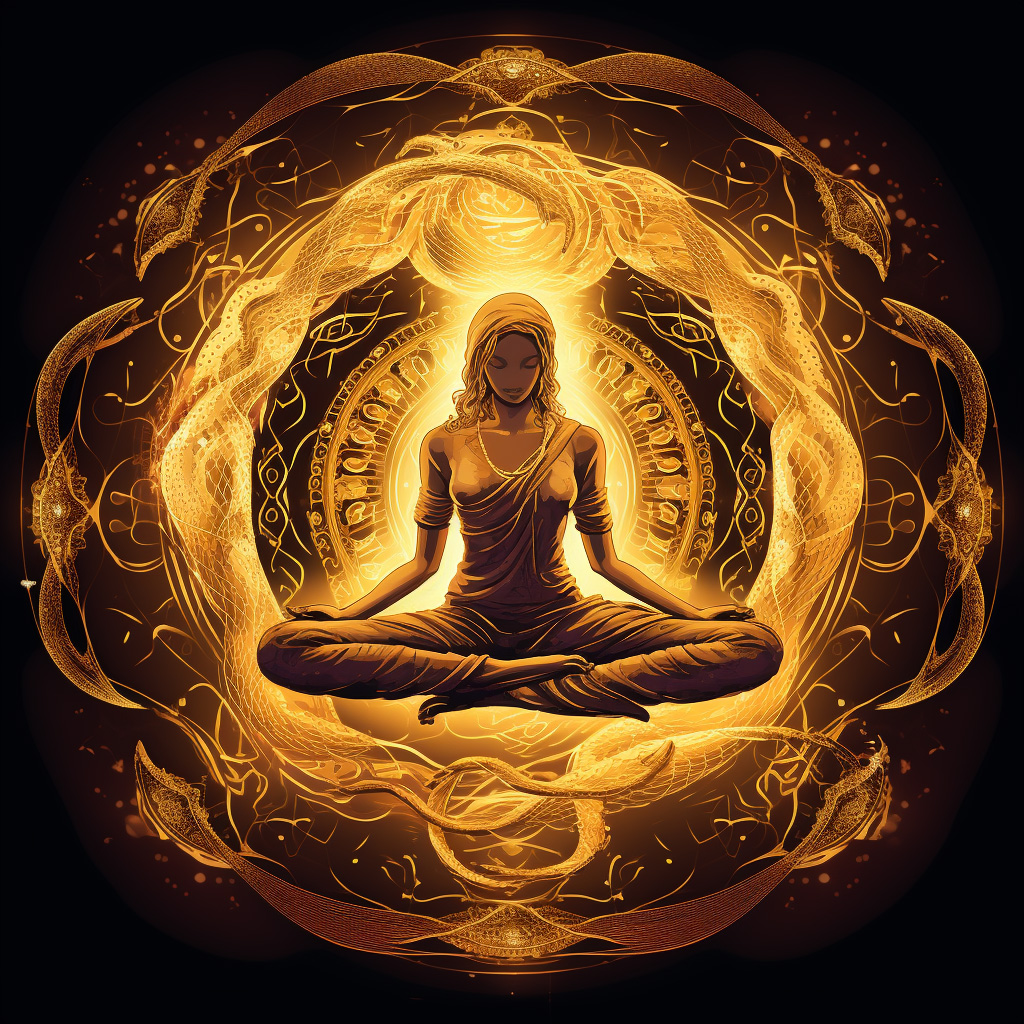
Shiva shakti rajayoga kundalini kriya sadhana
Shiva Shakti Rajayoga Kundalini Kriya Sadhana is a spiritual practice rooted in Hindu philosophy. It combines elements of yoga, meditation, and energy cultivation to facilitate spiritual growth and self-realization. “Shiva” represents the masculine aspect of divine consciousness, while “Shakti” embodies the feminine creative energy. “Rajayoga” refers to the royal path of meditation and self-control.
“Kundalini” refers to the dormant spiritual energy believed to reside at the base of the spine. The practice involves awakening this energy through specific techniques, often referred to as “Kriyas,” which encompass various physical postures, breathing exercises, and meditation practices. The objective is to raise this awakened energy through the central energy channel (sushumna) to reach higher states of consciousness and union with the divine.
Overall, Shiva Shakti Rajayoga Kundalini Kriya Sadhana aims to harmonize and balance the dualistic aspects of existence, leading to self-realization, spiritual evolution, and a deeper understanding of the interconnectedness of all things.
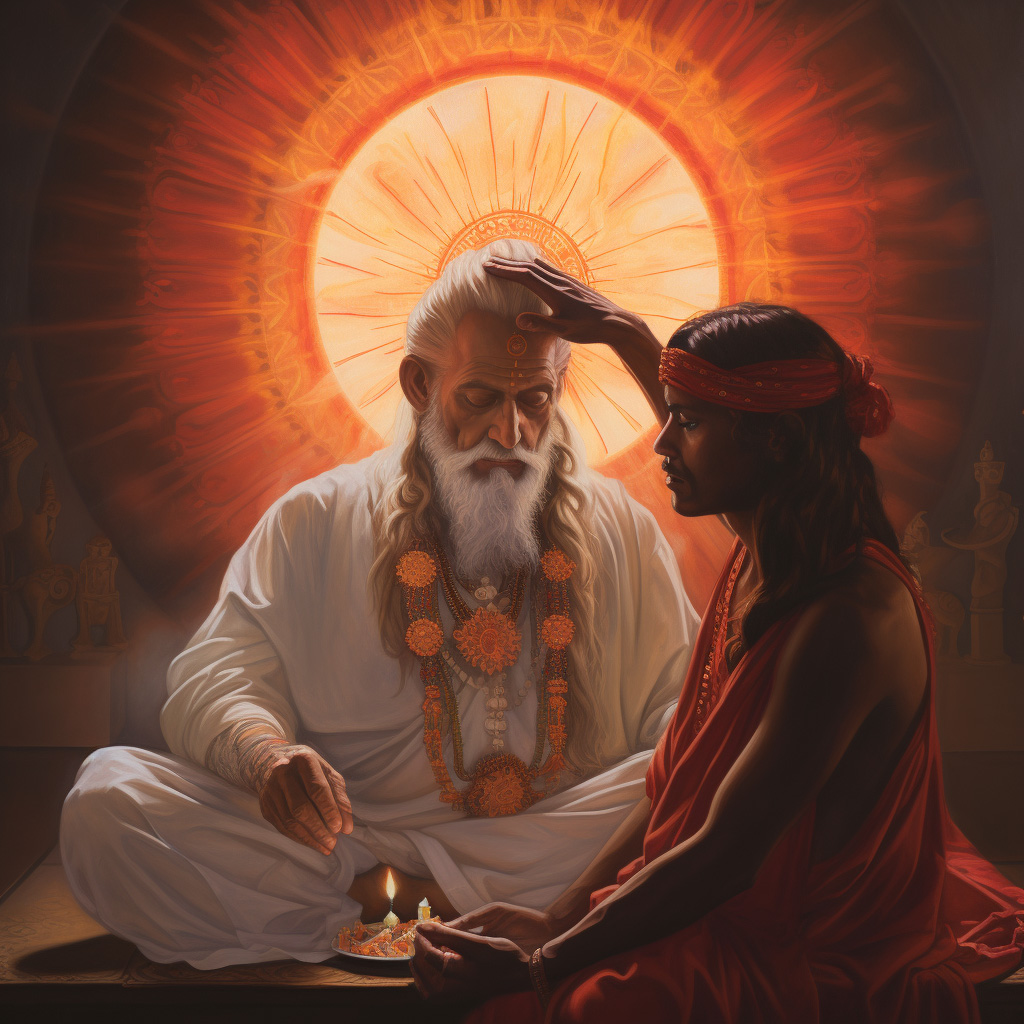
Mantra Deeksha
Mantra Deeksha is a sacred initiation in which a spiritual teacher imparts a specific mantra to a disciple. A mantra is a sacred sound, word, or phrase that holds spiritual significance and power. During the Deeksha ceremony, the teacher passes on the chosen mantra to the disciple, along with instructions on how to properly recite it.
The purpose of Mantra Deeksha is to establish a direct connection between the disciple and the spiritual energy represented by the mantra. The repetition of the mantra, often through meditation or chanting, is believed to have transformative effects on the practitioner’s consciousness and spiritual journey. The mantra is considered a vehicle to access higher states of awareness, deepen meditation, and invoke divine blessings.
The act of receiving Mantra Deeksha signifies a commitment to the spiritual path and the guidance of the teacher. It’s a way to receive the teacher’s blessings and tap into the spiritual lineage associated with the mantra. The practice of Mantra Deeksha has roots in various spiritual traditions, including Hinduism, Buddhism, and Sikhism, each with their own unique mantras and practices.
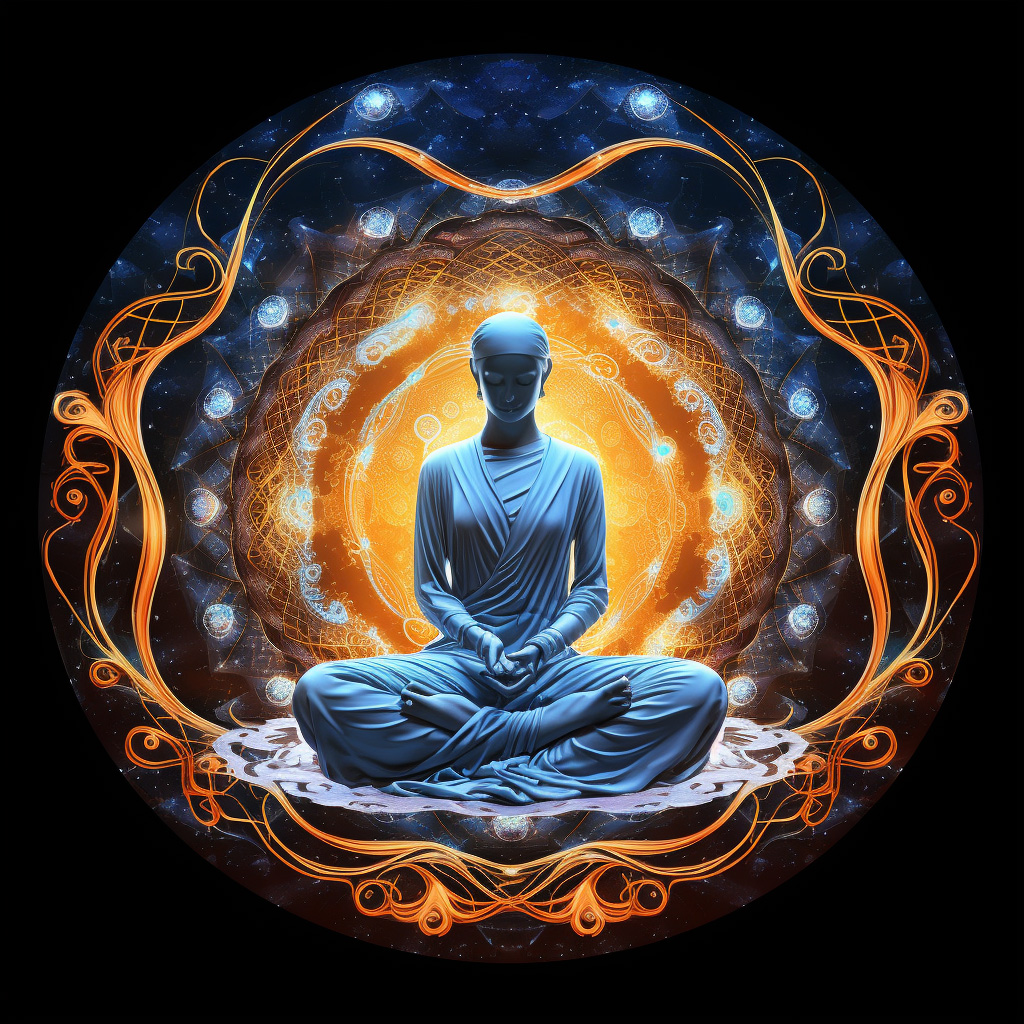
Srividya Rahasya sadhana
Srividya Rahasya Sadhana is a complex and esoteric spiritual practice rooted in the Srividya tradition of Hinduism. It focuses on the worship of the divine feminine energy, often personified as the goddess Lalita Tripurasundari. The sadhana involves intricate rituals, mantra recitation, yantra meditation, and visualization techniques.
Central to Srividya Rahasya Sadhana is the understanding of the Sri Chakra, a sacred geometric diagram representing the goddess’s divine presence and the cosmos. Practitioners engage in various rituals to invoke the goddess’s grace and align themselves with her transformative energy.
The sadhana emphasizes the integration of spirituality into daily life, with the ultimate goal of achieving self-realization and union with the goddess’s supreme consciousness. Srividya Rahasya Sadhana is practiced by those who seek profound spiritual growth, inner transformation, and a deep connection with the divine feminine principle.
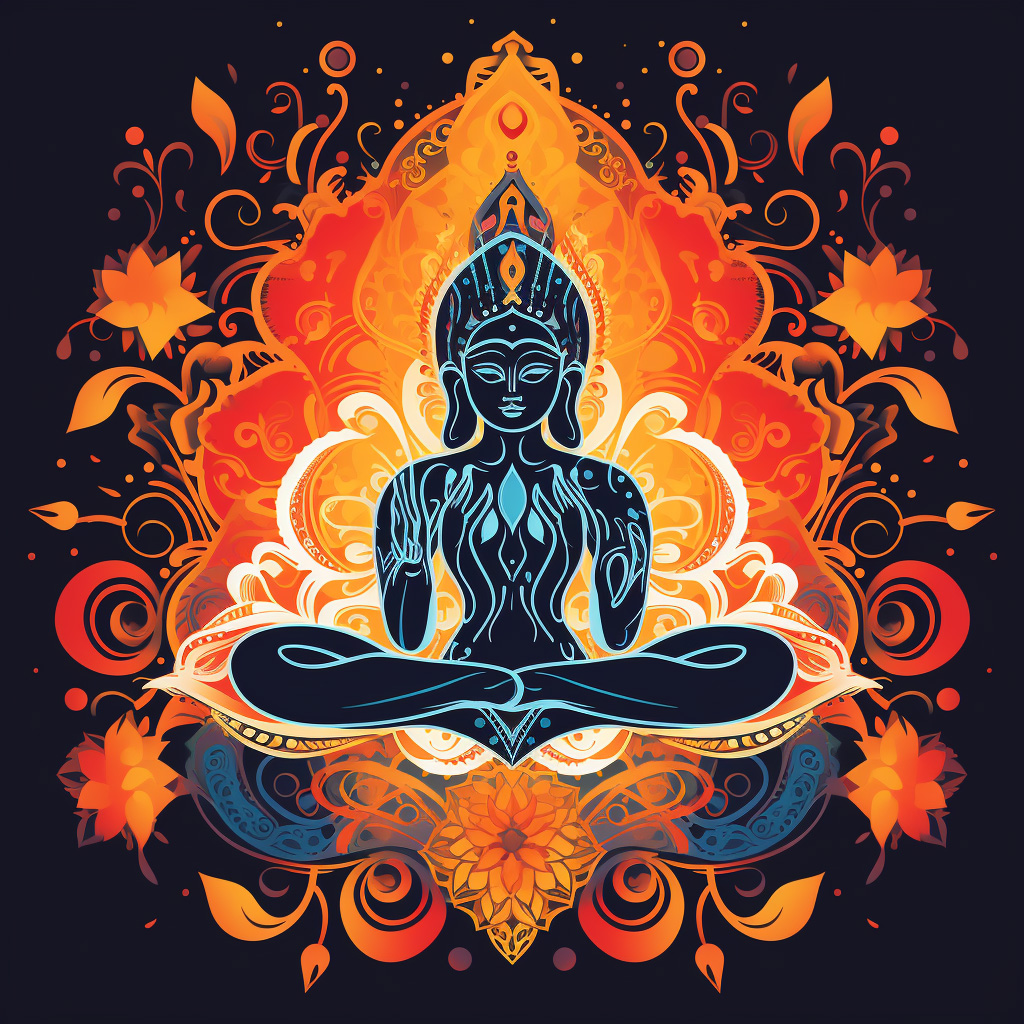
Shiva Yoga
Shiva Yoga is a spiritual practice that focuses on attaining union with the divine through the embodiment and exploration of the qualities associated with Lord Shiva, a principal deity in Hinduism. This practice combines elements of meditation, breath control (pranayama), physical postures (asanas), and self-awareness techniques to connect with the essence of Shiva’s energy.
Shiva Yoga aims to cultivate qualities like stillness, detachment, inner peace, and spiritual insight. Practitioners often meditate on Shiva’s symbolism, which includes his role as both the creator and the destroyer, reflecting the cycles of creation, preservation, and transformation.
By aligning with Shiva’s attributes and adopting his qualities in both physical and mental practices, practitioners of Shiva Yoga seek to harmonize their inner selves, expand consciousness, and ultimately realize their oneness with the divine.

Rudraksha,Bhasma,Linga Deekshas
Rudraksha: Rudraksha beads are seeds from the Rudraksha tree, often used in spiritual practices within Hinduism. They hold significance in various traditions as a symbol of Lord Shiva’s blessings and are believed to have spiritual and health benefits. The beads are typically used for meditation, prayer, and as a means to enhance spiritual awareness and well-being.
Bhasma: Bhasma refers to sacred ash that holds a prominent place in Hindu rituals and practices, particularly in Shaivism. It is often made from burnt offerings, particularly from cow dung or other sacred materials, and is believed to carry spiritual and purifying properties. Bhasma is worn on the forehead or other parts of the body as a mark of devotion and to remind practitioners of the transient nature of life.
Linga Deeksha: Linga Deeksha is an initiation or spiritual initiation ritual often associated with Shaivism. The term “linga” refers to the symbolic representation of Lord Shiva, representing both his creative and destructive aspects. “Deeksha” refers to initiation. Linga Deeksha involves receiving a sacred mark or symbol, often in the form of a bindi or tilak, as a sign of devotion and commitment to the path of Shiva’s teachings. It’s a way for followers to align themselves with Shiva’s energy and principles.
These concepts hold deep spiritual significance within Hinduism and are integral to the practices and beliefs of those who follow Shaivism and related traditions.